
13 666 444

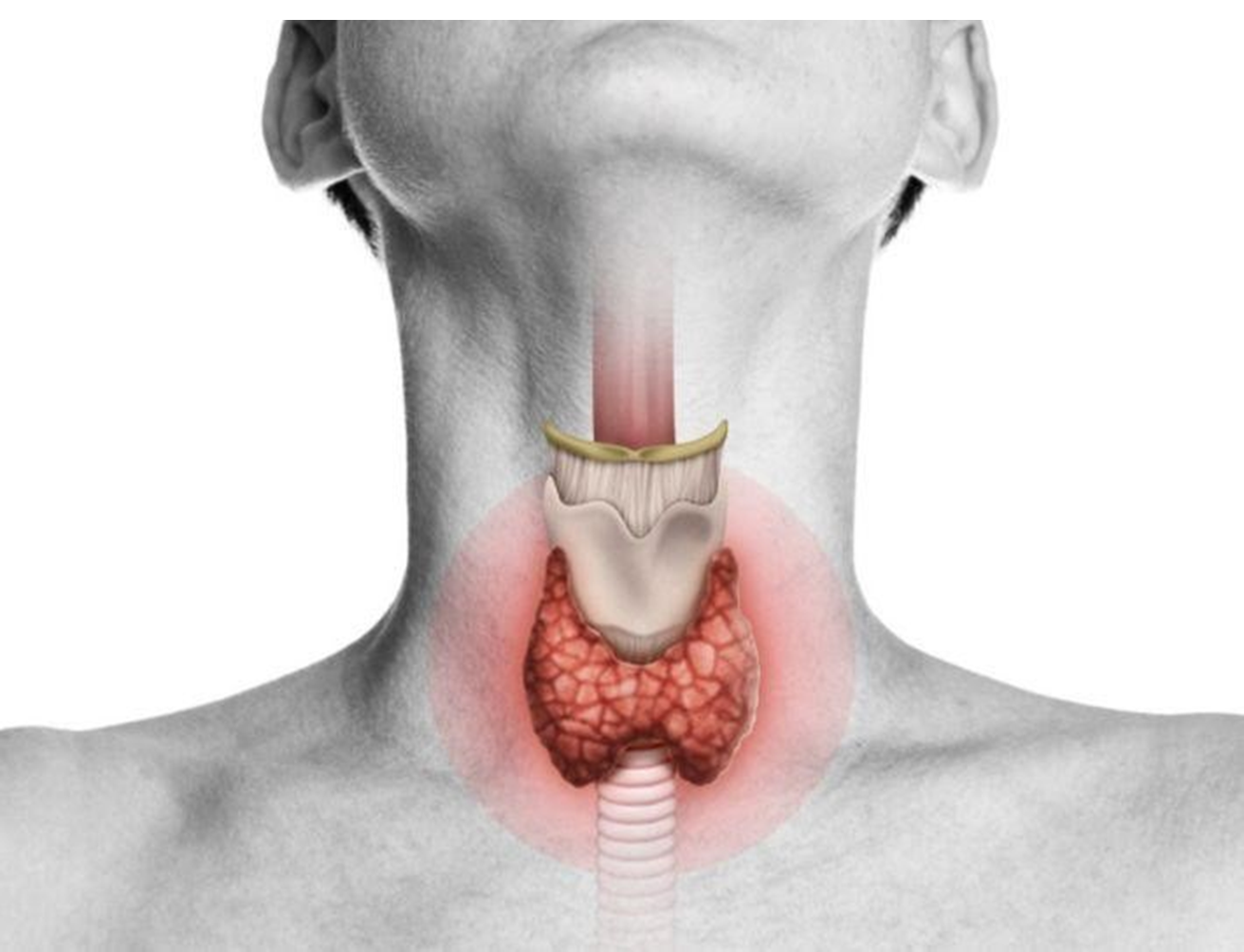
Thyroid gland and surgery
The thyroid gland is a small gland located in the front of the neck. It is responsible for producing several hormones that affect many bodily functions. Some surgical conditions may require thyroid surgery, particularly in cases involving tumors, overactivity, or
inflammation.
Reasons for Surgery
– Tumors: – Thyroid tumors, whether benign or malignant, may need to be removed. Surgery removes
abnormal tissue to relieve symptoms or prevent the spread of cancer.
– Overactive Thyroid: – If medications or radioactive iodine therapy are unsuccessful, partial or total thyroid removal may be a good option.
– Thyroiditis: – In some cases of inflammation, such as Hashimoto’s thyroiditis, painful symptoms or an
enlarged thyroid gland may indicate the need for surgical intervention.
Types of Surgery
– Total Thyroidectomy: – This involves removing the entire thyroid gland. It is usually used in cases of cancer or severe overactivity.
– Partial Thyroidectomy: – This involves removing only part of the thyroid gland. It is used in cases of benign tumors or to control hyperthyroidism.
Surgery Procedure:
– Preparation: – This often includes a comprehensive assessment of general health and analysis of thyroid
hormone levels.
- Anesthesia: – The surgery is performed under general anesthesia, rendering the patient unconscious. – Recovery: – After surgery, the patient remains under observation for a period of time. A follow-up plan is established to assess hormone levels and manage any side effects.
Post-Surgery Care:
– Patients should follow up with their endocrinologist to monitor hormone levels and adjust
medications as needed.
– Good nutrition and a healthy lifestyle play an important role in recovery.
Surgery can be an effective option for treating thyroid conditions, but it requires careful
evaluation by specialists to ensure the safety and success of the procedure.