
13 666 444

Colon Surgery
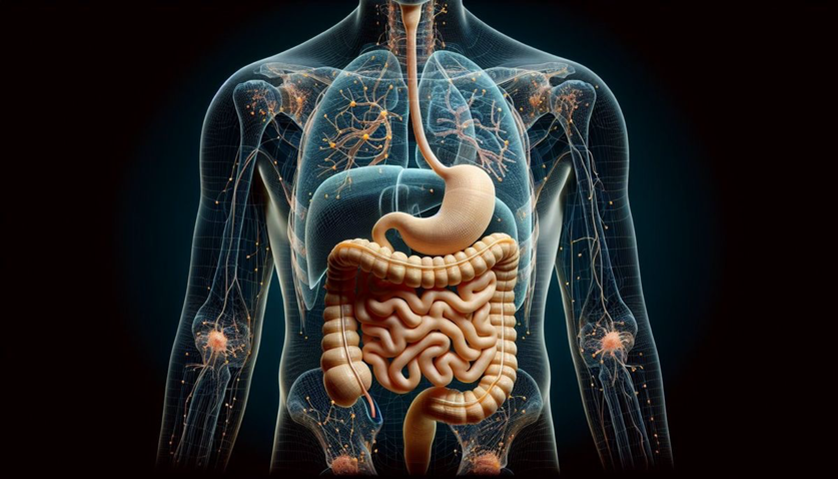
Colon surgery is an important procedure for treating a variety of conditions related to the colon and rectum. These conditions include diverticulitis, colon cancer, bowel obstruction, and inflammatory bowel diseases such as ulcerative colitis and Crohn’s disease. The surgery depends on the type and stage of the condition and can involve simple or complex procedures.
Types:
- Partial colectomy: This involves removing a portion of the affected colon. This method is used to treat tumors or inflamed areas.
- Total colectomy: In advanced cases of cancer, it may be necessary to remove the entire colon, requiring the creation of a stoma for waste elimination.
- Laparoscopic surgery: This is performed using minimally invasive surgical techniques, reducing the size of incisions, postoperative pain, and recovery time.
Preparation:
Before surgery, the patient may be required to undergo comprehensive examinations, including a colonoscopy to determine the exact condition. The patient may also be asked to follow a special pre-operative diet and undergo bowel cleansing to ensure the bowel is clear. Recovery Period:
The recovery period depends on the type of surgery performed, but patients are often able to return to their daily activities more quickly with laparoscopic surgery. Patients are advised to avoid strenuous physical activity for a period of time and to follow their doctor’s dietary recommendations.
Conclusion:
Colon surgery is a primary treatment option for colon-related conditions and significantly improves patients’ quality of life. Patients are encouraged to discuss all available options with their doctors to understand the procedures and the necessary postoperative preparation and care.